
Boiler making noises? Broken boilers are bad. Noisy boilers can be even worse. Find out the common causes (and fixes) for ear-busting boilers right here.
- Common Causes of a Noisy Boiler
- #1 - Dripping Noises: Boiler Leaking
- #2 - Boiler Whistling (Kettling): Limescale Deposits & Build Up
- #3 - Ignition Failure: Clicking Sounds and Tapping
- #4 - Boiler Pressure Too Low (Or Fluctuating)
- #5 - Gurgling Noises: Air Trapped in Your Heating System
- #6 - Boiler Vibrating Noises
- #7 - Boiler Humming Noises
- Noisy Boiler - What should you do if you can’t find the cause?
A boiler that suddenly starts whistling, banging, vibrating, gurgling or humming is usually telling you one of three things: water isn’t flowing properly, pressure is off, or a component is loose/worn.
Most noise issues aren’t instantly dangerous - but some are urgent.
Stop and get help immediately if:
You can smell gas or suspect a gas leak (call the National Gas Emergency Service).
Your carbon monoxide alarm is sounding, or you feel unwell (headaches, dizziness, nausea).
There’s water leaking onto electrics, or the boiler casing is getting unusually hot.
Otherwise, use this guide to match the sound to the most likely cause.
Quick diagnosis: noise → cause → what to do
What it sounds like | What it often is | Safe first steps | When to call an engineer |
Whistling / “kettle” noise (kettling) | Limescale or sludge restricting flow (often heat exchanger) | Turn heating temp down slightly; book a service if it’s new | If it persists, gets louder, or you’re in a hard water area |
Banging / clanging | Kettling, trapped air, pump issues, or expansion noise | Bleed radiators; check pressure | If banging is violent, frequent, or pressure keeps dropping |
Humming | Loose casing/panels, pump speed too high, pressure too high | Tighten external screws; check pressure | If it’s internal (can’t isolate), or pressure keeps rising |
Vibrating / whooshing | Loose panels, flue terminal obstruction, pump setting | Check external flue terminal is clear (outside only) | If vibration continues or you suspect flue/fan issues |
Clicking / rapid ticking | Ignition trying to light / ignition fault | Try a reset once | If it keeps failing to ignite (engineer-only) |
Gurgling | Air in system / low flow | Bleed radiators; check pressure | If gurgling returns quickly (possible leak/air ingress) |
Rumbling / rattling | Loose parts, fan/pump wear, debris | Check casing/screws | If noise is new, loud, or worsening |
Noise when boiler isn’t in use | Fan/pump running on, worn components | Note when it happens; check error codes | If it’s loud, regular, or happening daily |
Common Causes of a Noisy Boiler
If you are hearing a new and unusual noise coming from your boiler, then it’s likely caused by one of the following common problems.
Some of these can be fixed quite easily and do not require professional help, while others certainly do need the assistance of a registered Gas Safe Engineer.
#1 - Dripping Noises: Boiler Leaking
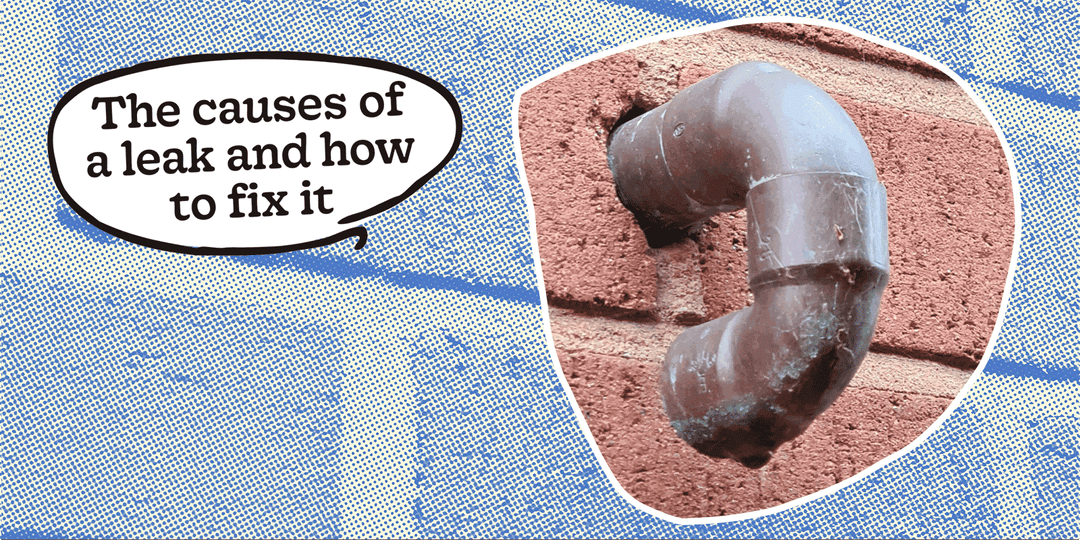
If you can hear dripping noises, then the likelihood is that your boiler has an internal leak somewhere.
If you have just started to hear the sound, it’s crucial that you get it looked at sooner rather than later as water can cause serious damage to electrical components e.g. it’s a leading cause of faulty PCBs.
A leak can be caused by a variety of issues, such as corrosion to major components such as the heat exchanger, as well as broken or worn out seals. A registered Gas Engineer will be able to quickly diagnose and repair the issue.
High boiler pressure can also lead to the formation of pinhole leaks, so it’s a good idea to check your boilers pressure is at the correct level too.
What to do
Put a towel/container beneath any visible drip (if accessible).
Turn the boiler off if water is clearly contacting electrics or the leak worsens.
Book a Gas Safe engineer to diagnose and repair.
Tip: High pressure can contribute to leaks, so check the pressure gauge too.
#2 - Boiler Whistling (Kettling): Limescale Deposits & Build Up
A high-pitched whistling or “kettle” sound is classic kettling - usually caused by restricted water flow (limescale in hard water areas, or sludge). This can overheat the heat exchanger and may eventually damage components.
How to fix kettling
This is typically engineer territory (system clean, inspection, inhibitor).
If you’re in a hard water area, ask about scale protection/inhibitor at service time.
If it’s been going on a while, the engineer should check for knock-on damage.Is your boiler making a whistling noise?
How to Fix Limescale Build-up
If you live in an area that suffers with hard water and you suspect limescale is causing the kettling or whistling, you should consult the help of a registered Gas Sage Engineer.
Unfortunately, if the limescale has been present for some time, it may have caused damage to your boilers components, in which case they will need to be repaired or replaced.
Leaving the deposits to linger can result in long term damage and leaks that may result in more expensive repairs.
A Gas Engineer will also be able to take the following steps:
Clean your system with a limescale remover, from a brand such as ADEY
Carry out a thorough inspection of your boiler (including the heat exchanger) to check for damage
Installation of a limescale inhibitor
The ideal situation is to take preventative steps before limescale has the opportunity to build up and become such a severe issue.
If you live in a location with hard water, then you can request your engineer to add a limescale inhibitor at the time of your annual boiler service.
#3 - Ignition Failure: Clicking Sounds and Tapping
If your boiler is clicking repeatedly and struggling to fire up, it may be trying (and failing) to ignite.
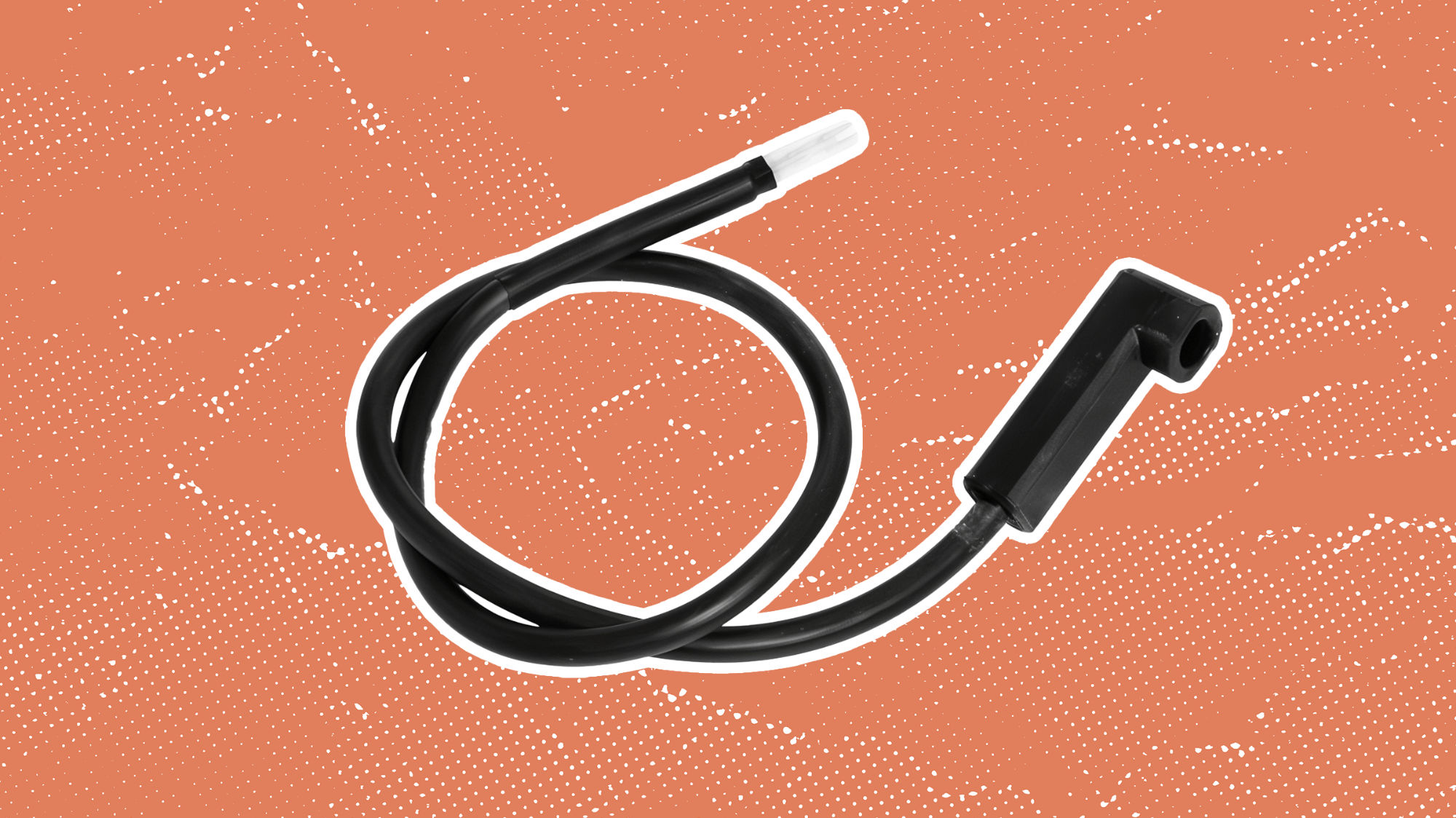
Image showing typical boiler ignition leads / Heatable
How to Fix Ignition Failure
Unfortunately, since this component is under the cover and is a potential gas related one, you will need the assistance of a registered Gas Safe Engineer.
This fault may either be related to the gas supply itself, the spark ignitors or the ignition leads.
#4 - Boiler Pressure Too Low (Or Fluctuating)
If your boilers pressure is too low, then you may hear an associated noise, commonly this is a hammering noise, which can be caused by a sudden drop in pressure or fluctuating pressure.
Usually, if your boiler's pressure drops too low, the boiler will lock out and display a low-pressure error code. You can usually identify low pressure by looking at the pressure gauge too.
How to fix low boiler pressure
If you can see signs of a leak anywhere on the system, stop and book an engineer.
If there’s no obvious leak, you may be able to top up using the filling loop (follow your boiler manual).
If pressure keeps dropping after topping up, you likely have a leak or a failing component - get it checked.
#5 - Gurgling Noises: Air Trapped in Your Heating System
Are you hearing gurgling noises when your boiler is running? This may be caused by trapped air in your radiators, which can result in them not heating up evenly.
Are you finding that some radiators are not getting as hot as they used to? Radiators that are cold at the bottom or that have cold patches and unevenly distributed heat are typically the results of too much air in the radiators.
How to fix trapped air in your system
Bleed radiators with a radiator key (rags down - it can be grubby).
Afterwards, re-check boiler pressure and top up if needed.
If gurgling returns quickly, it can point to air ingress/leaks.
Related heating/energy guides:
#6 - Boiler Vibrating Noises
If your boiler is making vibrations and whooshing noises, this may be caused by a few different issues.
Thankfully, these are usually pretty easy to fix, but if left, they can cause significant damage, so it’s always better to deal with the problem head on.
How to fix a vibrating boiler
One of the most common culprits of boiler vibrations is something being trapped in the flue. Therefore, check the pipe on the exterior of your property and if you notice anything trapped remove it.
A simple test is to take your hand and hold it over the vent; you should be able to detect a certain level of airflow, indicating there is no blockage lodged further into the pipe.
#7 - Boiler Humming Noises
Are you hearing a humming noise coming from your boiler?
All boilers have some level of noise as part of their normal operation, so it’s important to be aware of this. However, if it’s a new noise, then it’s more likely to be the sign of a problem.
There are a few potential causes for a humming boiler, these include the following:
A loose component
The boiler pump running too fast
How to fix a humming boiler
Turn the boiler off, check and tighten any external screws/panels.
Check the pressure gauge:
If it’s consistently outside the normal range, get an engineer to investigate (could be an expansion vessel or filling loop issue).
If you know your system has an adjustable pump and it’s set too high, lowering it can reduce humming - but if you’re not confident, leave it to a pro.
Noisy Boiler - What should you do if you can’t find the cause?
If you’ve done the safe checks above and the noise is still there (or getting worse), don’t play boiler bingo - book a qualified Gas Safe Register engineer to diagnose it properly.
You can also check our guide on the most common boiler problems, especially if you’re seeing error codes alongside the noise.
Noisy Boiler Totally Busted?
Looking to buy a new boiler? Order to today and get installed as quick as tomorrow.
Order with Heatable, and we could be fitting your new boiler tomorrow.
At Heatable, we fit Worcester Bosch and Viessmann boilers all over the UK.
What's more, as we've already covered, our boilers come with warranties (or guarantees) which are up-to 10 years looooong.
What's even more, we're able to offer low monthly payments with boiler finance, and even interest-free boiler financing options.
Get a fixed quote on a new boiler installation in 60 seconds, here.